
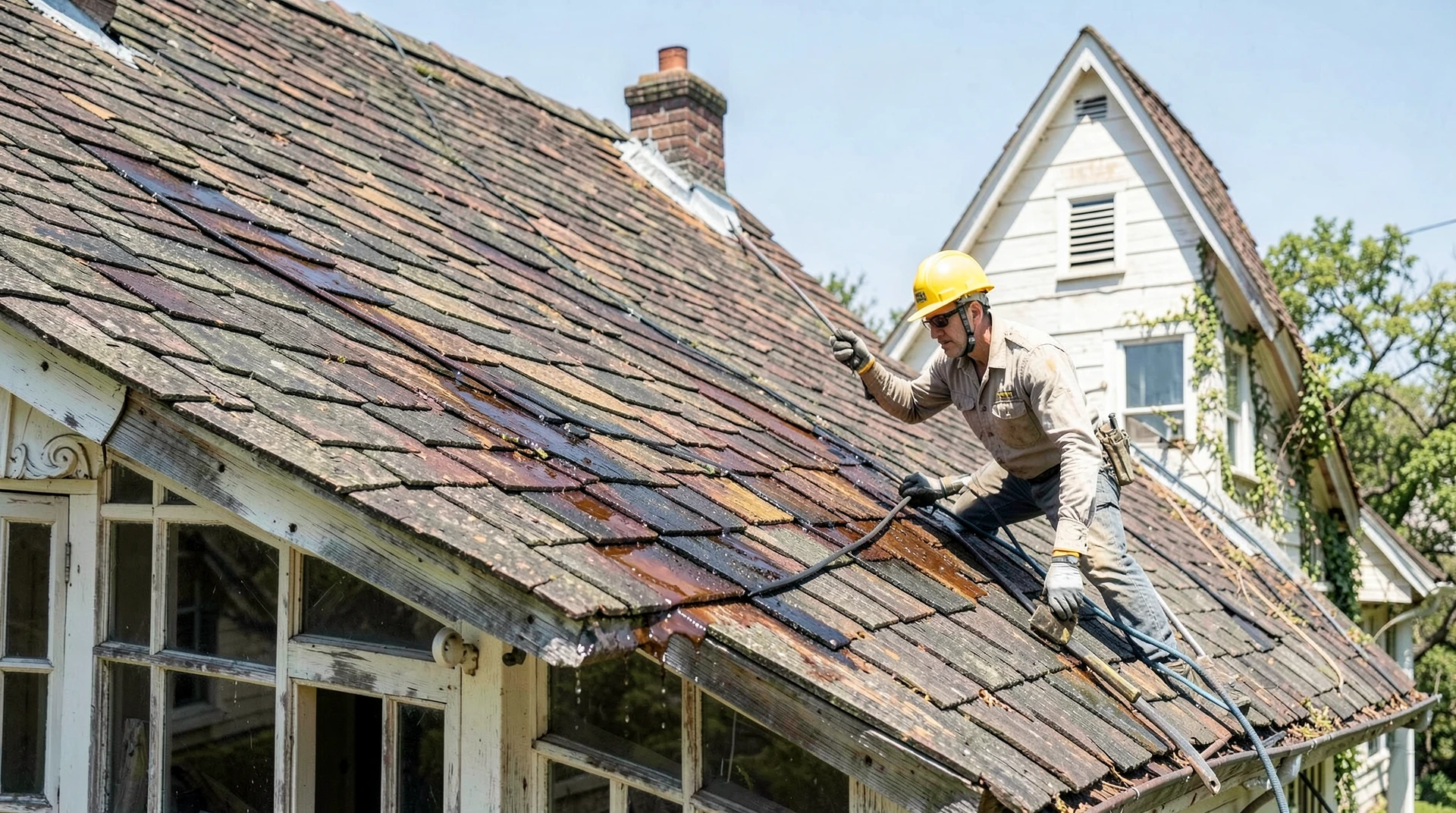
When dealing with a visible leak-a drip stain on the ceiling or an obvious puddle forming near a foundation-the initial reaction is often to patch it up and wait until the next rainy season. This thought process, however, misunderstands the fundamental nature of water damage, which is why you should consider our Hail damage assessment services. Water is not just a nuisance; it is the most insidious threat to any property’s structural integrity. For homeowners in Old East Dallas who are invested in meticulously maintained historic or custom-built homes-whether you reside near Cedars or along Swiss Avenue-the risk goes far beyond mere cosmetic damage.
The question isn't simply, "Where did the water come from?" but rather, why is timing crucial for urgent roof repair? The answer lies in understanding that delay doesn't just let a leak continue; it allows secondary, often invisible damages to set root. We must address the structural mechanics of decay before focusing on the surface patch.
The Immediate Threat: Why a Small Leak is Never Just a Leak
Many homeowners view an isolated drip as a minor inconvenience-a small issue that can wait for the next weekend when they have time to handle it. This perspective fundamentally underestimates the speed and scope of water damage. A single point of failure on your roof can trigger a cascade of structural decay involving multiple, expensive components simultaneously.
The Hidden Costs of Secondary Damage
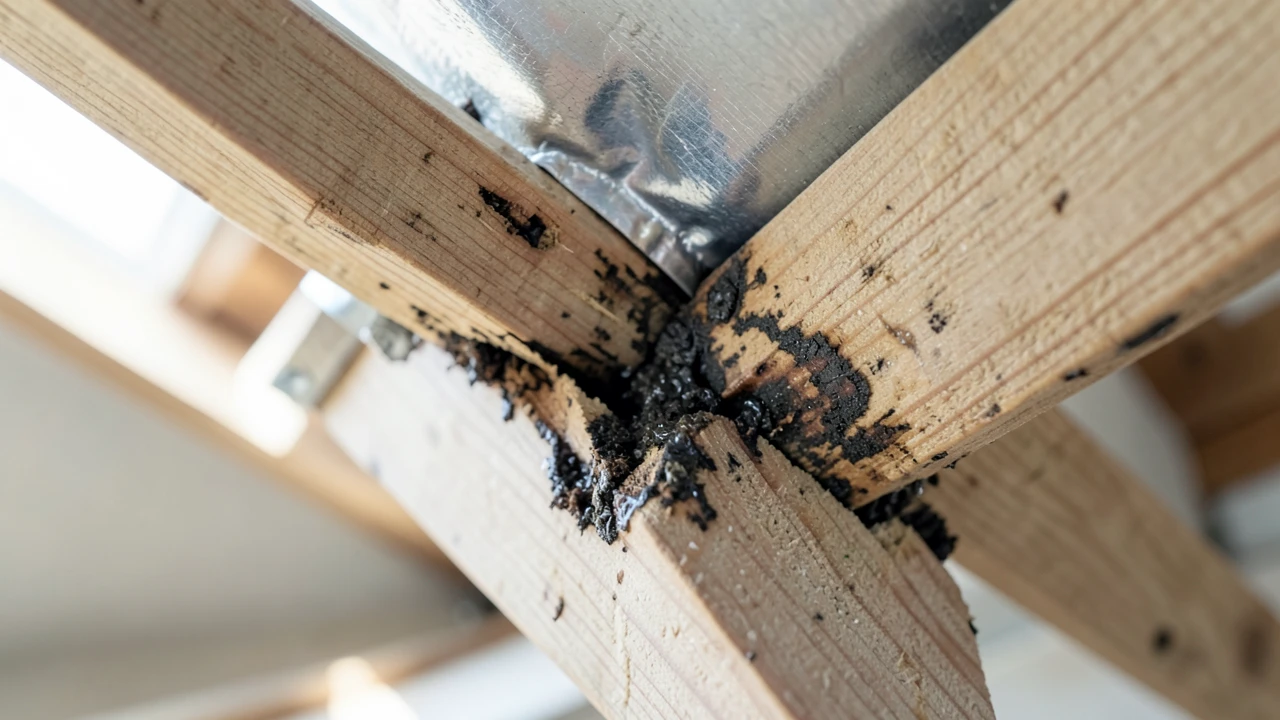
When we speak of secondary damage, we are talking about everything except the visible leak itself. Water doesn't just run off; it penetrates and sits. This standing moisture creates an ideal environment for biological deterioration. Mold and mildew growth, for instance, do not only stain drywall; they release mycotoxins that significantly affect interior air quality-a critical concern for any occupied home. Furthermore, constant dampness attacks the wood structure itself, promoting slow but relentless decay in joists and trusses.
Understanding Water Ingress Points
To truly understand urgency, one must recognize where leaks typically start. It’s rarely a random puncture. More often, it's an ingress point-a junction where two different materials meet or transition. Think of the flashing around a chimney stack, the seams where adjoining roof sections overlap, or areas where inadequate gutter integration meets the fascia board. These high-risk zones are architectural weak points that require specialized inspection and immediate remediation because they are designed to handle lateral stress, not persistent saturation.
Time as a Structural Enemy
The longer water has access to wood framing or drywall, the more significant the chemical deterioration becomes. This is what we call "scope creep" in repairs. A small patch today might seem minor, but six months later, that accumulated moisture could have caused rot deep within the structural members, transforming an inexpensive repair into a major, invasive reconstruction project. We advise homeowners to view timely intervention as preventing exponential cost escalation.
The Science of Decay: How Waiting Turns Minor Damage into Major Crisis
The true danger in roof leaks is not just the water itself, but the way that water interacts with different building materials over time-a process known as differential decay. Understanding this science helps explain why is timing crucial for urgent roof repair? It’s a race against chemistry and biology.
Differential Decay Rates
A modern home utilizes dozens of materials: plywood subflooring, historic wood framing, copper flashing, asphalt underlayment, and gypsum drywall. Each material reacts to persistent moisture differently. Wood absorbs water through capillary action; metal can oxidize and rust at an accelerated rate when exposed to constant dampness; and even the paint on a trim board begins to fail as its base materials swell and shrink. Because of this complexity, knowing who specializes in roofing in Country Place, TX is crucial before a small leak compromises multiple expensive components.
Structural Load Shift: The Safety Concern
Beyond aesthetics, persistent leaks pose a genuine safety risk by compromising the roof's underlying structure. When moisture saturates joists or trusses over months, it weakens their load-bearing capacity. This isn't just theory; compromised supports reduce the structural integrity of the entire plane. When considering roof resilience in high-wind areas, upgrading to materials like impact-resistant shingles can help maintain structural integrity against uplift forces-a critical safety concern that must be addressed immediately by a professional assessment.
The 'Secondary Damage Spiral': A Cost Multiplier
The ultimate consequence of delay is the "Secondary Damage Spiral." This chain reaction looks like this:
- Initial Leak: Water enters through a flashing failure.
- Mold/Mildew Growth: Moisture promotes biological growth, which ruins drywall and contaminates insulation.
- Structural Weakening: Constant saturation weakens hidden wooden supports.
- Major Remediation: The repair is no longer confined to the roof; it now requires extensive interior remediation-drywall replacement, paint removal, potential HVAC damp-proofing, etc.-which multiplies costs exponentially.
As William Hayes notes when discussing long-term property care: The true secret to longevity in any building's envelope is always found in inspecting the details, not just looking at the finished surface. A single leak often signals systemic wear across multiple components-the point where a simple patch becomes structurally inadequate.
Beyond the Patch: The True Meaning of Timely Professional Roof Repair
When a homeowner calls us after noticing a drip, they are usually seeking two things: a quick fix and cost certainty. However, addressing these needs requires understanding the difference between temporary mitigation and permanent structural remediation. This distinction is vital to knowing why is timing crucial for urgent roof repair?
Differentiating Emergency Tarping vs. Permanent Repair
An emergency tarp or covering is essential-it buys time by keeping water out temporarily. But it is purely a cosmetic measure; it does nothing to fix the underlying failure mechanisms: failed flashing, deteriorated underlayment, or weakened structural support. Relying on temporary fixes without addressing the root cause guarantees that the problem will recur and worsen until the next major storm hits. Our focus must always be on restoring the system's integrity, not just covering its symptoms.
The Importance of the Full System Assessment
A professional assessment by Rock Line Roofing is never limited to the visible leak spot. We approach the roof as a complete system. We meticulously inspect high-risk areas: all transitions (where metal meets tile, or where two different roofing materials meet), every fastener penetration point, and the condition of the entire underlayment plane. This holistic view ensures that we are not just fixing a leak, but preventing a pattern of leaks across the entire structure.
Immediate Action Mitigates Insurance Complexity
From an administrative standpoint, prompt action is key to preserving peace of mind and financial standing. By addressing issues immediately after discovery, homeowners maintain a clean record for their insurer. Attempting massive repairs months later, when secondary damage has compounded, can complicate insurance claims significantly. We help simplify the process so that you can focus on your life in your beautiful Old East Dallas home, rather than managing complex claim negotiations.
Symptom Checklist: What Homeowners Should Look for Before Calling a Contractor
You don't need to wait for the water damage to become visible inside your home to know something is wrong. By becoming aware of these subtle warning signs-your personal structural leak prevention checklist-you can take proactive steps and understand exactly what kind of expert assessment you require.
- Visual Cues on the Exterior: Look closely at brick or stone near roof lines for mineral streaks (efflorescence). This white, powdery buildup indicates water penetration paths that are not evaporating properly. Also examine flashing joints for obvious signs of rust bleed, discoloration, or lifting materials.
- Interior Warning Signs: The most common sign is a musty smell, particularly in rooms you haven't used often. Look for water stains that appear outside the direct path of a drip; these are evidence of past or previous repairs and leaks that were not fully remediated. Damp patches on walls, even when dry to the touch, signal underlying moisture issues.
- The 'Sound' Clue: During rain or heavy dew, pay attention to tapping or dripping noises in unusual spots. This can indicate active water penetration pathways-a sound clue missed by the casual observer but easily detected by an experienced roofing inspector.
- When Professional Guidance is Needed: If you find multiple symptoms present simultaneously (e.g., musty smell and efflorescence and visible flashing wear), this signals a systemic issue. This requires an expert Old East Dallas roofing integrity assessment rather than piecemeal fixes.
Safeguarding Your Investment: Making the Right Call for Long-Term Value
The final question that often stalls homeowners is, "Is it worth the cost?" We understand that roof repair feels like a significant expense. But we urge you to shift your perspective: timely repair should never be viewed merely as an expense; it must be framed as protecting a massive, irreplaceable asset-your home. This analysis helps answer why is timing crucial for urgent roof repair?
Cost-Benefit Analysis: Prevention vs. Catastrophe
Contrast the cost of preventative, minor remediation (replacing a faulty flashing or re-sealing an underlayment seam) against the exponential cost of mold remediation, structural beam replacement, or permanent interior damage from chronic leaks. The financial difference is staggering. A timely, proactive repair protects your investment value and ensures that when you eventually need to sell, your home's record of maintenance is pristine.
Minimizing Disruption: Our Partnership Approach
We recognize that the last thing you want is project disruption in a desirable neighborhood like Junius Heights or Oak Lawn. We treat your property with the utmost respect. Our process includes meticulous site setup and cleanup, ensuring our crews work efficiently while minimizing impact on your daily life and adhering to standards of craftsmanship respected throughout Old East Dallas.
The Partnership Approach to Longevity
At Rock Line Roofing, we believe in partnership, not just transaction. Our goal is safeguarding the unique character and structural soundness of your property. We don't just fix roofs; we extend the lifespan and protect the inherent value of your home. When you work with us, Rock Line Roofing services provide a detailed breakdown that eliminates guesswork, assuring you exactly what materials are required and why-leaving no room for surprises or unnecessary scope creep.
If you notice any combination of these symptoms, or if you simply feel uneasy about an area of flashing or transition, do not hesitate to call us at +1 469-589-3827. Let's schedule a comprehensive structural assessment today and safeguard your investment with the trusted expertise rooted right here in Old East Dallas.