
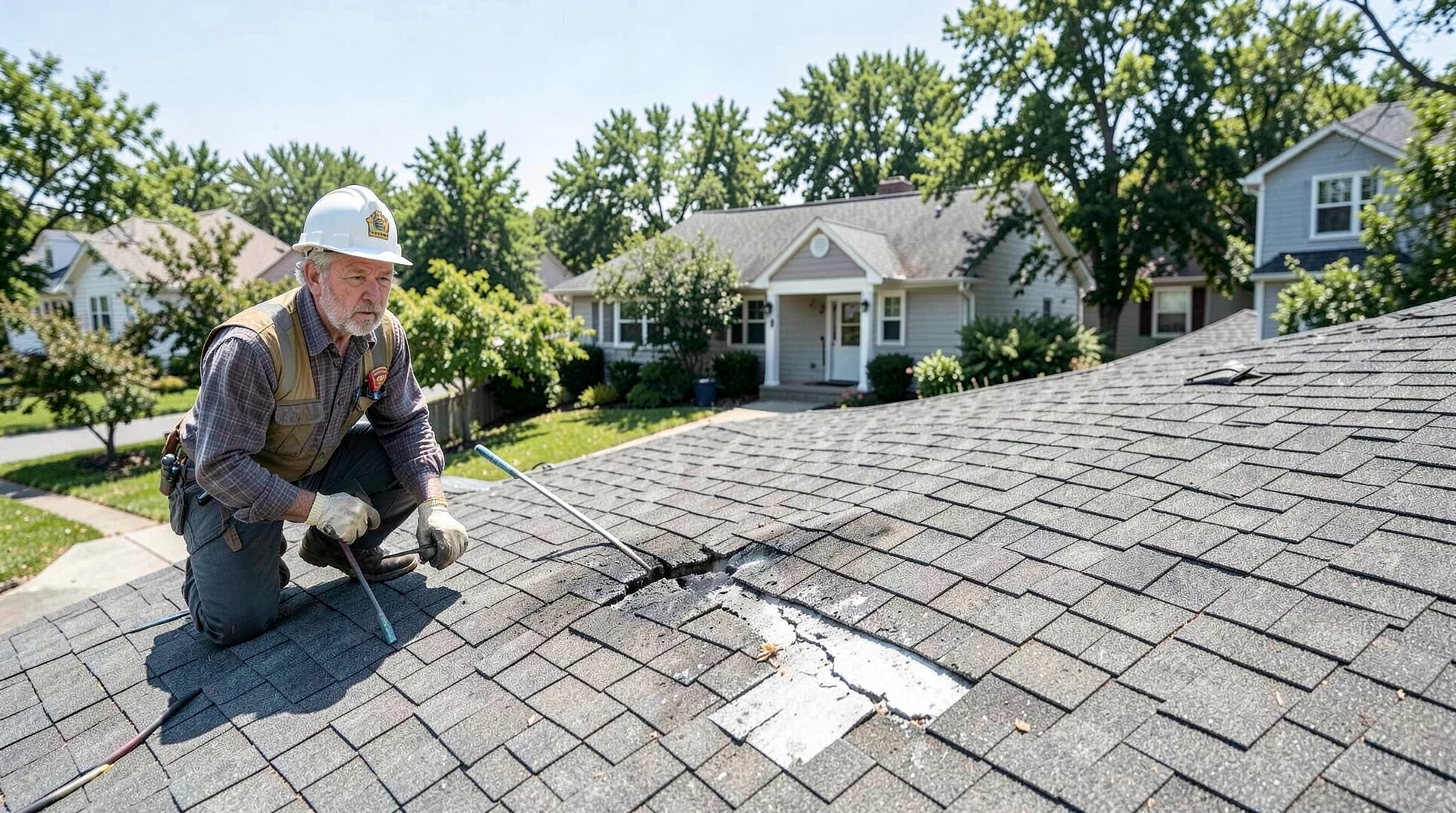
When a hailstorm passes over Old East Dallas, the first thing homeowners notice are the visible dents-the immediate signs of impact. But for those concerned about the expense and complexity, the primary question that surfaces is often: how much does hail damaged roof repair cost per square foot? While this simple-sounding number might seem to offer clarity, roofing costs are rarely as straightforward as a single price tag. In fact, attempting to pin down a fixed cost without a comprehensive assessment can be misleading and potentially costly in the long run. The truth is that the damage often extends far beyond what your eyes can see from the street, making professional knowledge-and a thorough inspection-the most valuable resource you have when safeguarding your home's structural integrity.
Understanding the Damage: What Hail Actually Damages Beyond the Surface
The biggest mistake homeowners make after a hailstorm is assuming that only the visible impact points are compromised. While those dents are certainly concerning, true roof longevity relies on countless interconnected components-many of which are susceptible to damage even if they appear outwardly fine. From my experience spanning decades inspecting structures across Dallas, I can tell you that the true secret to roofing longevity is always found in inspecting the details.
The Hidden Compromises: Beyond Visible Dents
Hail impact is more than just a superficial bruise; it’s a systemic stressor. It doesn't only affect the visible surface material. We need to consider several critical, often unseen areas:
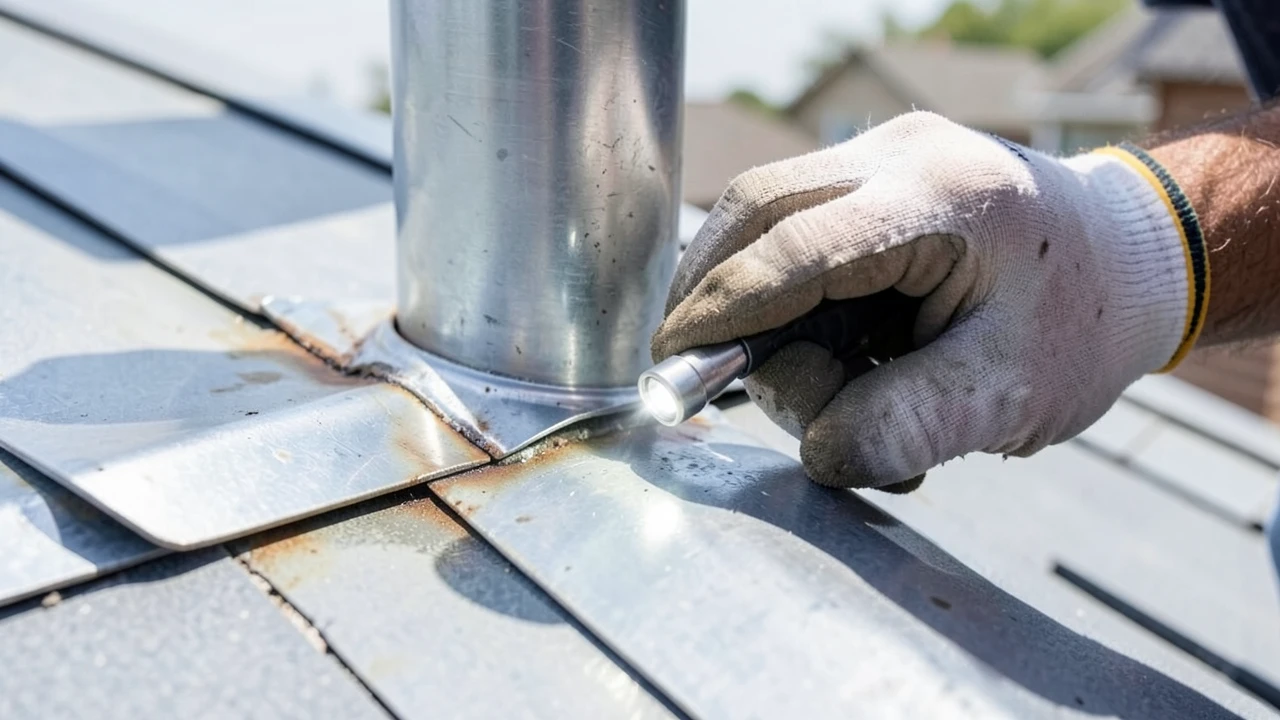
- Underlying Structural Degradation: Hail can compromise underlying structural elements like flashing (the metal seals around chimneys and vents), fascia boards, and even vent collars. These items are crucial water barriers, and if they are bent or cracked by impact, they create immediate pathways for leaks that you won't notice until the next rainstorm.
- Microscopic Fractures and Granule Loss: For asphalt shingle roofs, every single hail strike contributes to granule loss-the protective outer layer. While one ding might seem minor, repeated impacts degrade these granules in a cumulative way, leaving the underlying material vulnerable to UV rays and water absorption over time. Similarly, metal roofing seams can develop microscopic fractures that compromise long-term integrity, allowing moisture to seep through slowly.
- The Danger of Water Intrusion: This is perhaps the most critical point. The true danger isn't the hail; it’s water intrusion. A compromised seal or flashing piece allows water inside. Once water enters the space between your roof deck and the structure, it doesn't just sit there-it starts its own cycle of decay. We are talking about secondary structural issues like mold growth on sheathing, accelerated rot in rafters, and mildew buildup that can compromise internal drywall and insulation far away from the original impact site.
If you’re looking at a checklist for damage, don't limit yourself to cosmetic dents. Instead, ask: What seals might have been compromised? A professional assessment looks for these critical failures in structural components, not just surface aesthetics.
The Cost Breakdown: Deconstructing 'How Much Does Hail Damaged Roof Repair Cost Per Square Foot?'
Because the cost of repair is dependent on so many variables-from the specific building materials to the extent and nature of the damage-giving a single number for how much does hail damaged roof repair cost per square foot? is impossible, and frankly, irresponsible. However, I want to give you a transparent guide to what influences that final price, ensuring you are never subjected to unexpected "scope creep."
The Variables That Define Cost
The cost calculation involves three major components: material type, structural complexity, and the depth of damage.
- Material Type: The most obvious variable is the roofing material itself. Repairing a patch on standard asphalt shingles costs significantly less than replacing flashing on an historic slate or standing seam metal roof, which require specialized tools and materials suited for Old East Dallas’s architecture.
- Roof Pitch and Access: A low-slope (flat) roof repair requires different equipment and labor time than repairing a steep-pitch gable roof. Furthermore, if the roofing material is difficult to access or requires complex rigging due to the home's structure, the labor cost increases significantly.
Understanding the Cost Ranges
While I cannot provide an exact quote without seeing the property, I can outline general ranges for different scenarios:
- Minor Patch/Localized Repair: For highly localized damage (e.g., a small section of flashing or a few damaged shingles) on otherwise sound roofing, costs might range from $X to $Y per square foot, focusing purely on materials and minimal labor hours.
- Full Tear-Off Replacement: When the underlying underlayment or structural decking is compromised across large areas-a common outcome after severe hail-the process shifts to a full tear-off and replacement. These costs are calculated based on comprehensive system pricing, not just square footage of shingles.
The Hidden Costs You Must Budget For
When budgeting for roof repairs, the biggest oversight is forgetting the necessary preparatory work. The cost estimate must explicitly separate material cost from labor cost. Always ask your contractor about these "hidden costs":
- Debris Removal and Disposal: This is not negligible; removing thousands of pounds of roofing materials requires specialized equipment and disposal fees.
- Structural Reinforcement: If we find that the sheathing or rafters are compromised, repairing those structural supports (beyond just replacing shingles) adds substantial cost.
- Specialized Flashing Replacements: Replacing flashing in a historic home like one on Junius Heights is an art form requiring custom metal fabrication-this expense must be accounted for upfront.
Beyond the Estimate: Why A Local Inspection is Your Essential First Step
When you receive a preliminary estimate, treat it as a helpful guide, but not the final word. The most important step after any storm, especially in a desirable neighborhood like Cedars or Oak Lawn, is to schedule an Old East Dallas roof replacement cost assessment with highly experienced professionals. This inspection isn't merely selling; it’s investigative.
William Hayes’ personal perspective guides me here: The true secret to roofing longevity is always found in inspecting the details. We need to look at the whole picture-the subtle signs of stress that indicate a foundational problem, not just surface damage.
The Comprehensive Nature of Our Assessment
A professional assessment goes far beyond looking for obvious leaks. We assess:
- Fastener Integrity: Are the nails or screws holding everything down still sound and properly spaced? Hail impact can loosen fasteners over time.
- Structural Sagging: Is the roof deck showing any signs of unevenness or bowing? This indicates moisture damage underneath that needs immediate attention before it becomes a major collapse risk.
- Wear Patterns Specific to Old East Dallas Homes: Our crews are trained to understand the unique challenges posed by historic architecture, where flashing details and wood composition differ drastically from modern builds.
Navigating Insurance Claims with Confidence
The insurance process can be complex, stressful, and overwhelming. It is critical that you have a trusted local partner who understands both building codes and claim adjuster expectations. We don't just inspect the roof; we help guide you through the entire claim process. This includes meticulously documenting all damage, speaking to adjusters on your behalf (while maintaining your privacy), and ensuring the scope of work recommended is structurally sound and necessary-preventing any attempt at upselling or minimizing the true extent of the damage.
Making the Case: Repair vs. Full Replacement When Hail Damage Strikes
This decision is often the most emotionally fraught, as it directly impacts short-term finances. Should we patch it up, or should we rip the whole thing off? The answer depends entirely on the root cause of the failure and the structural depth of the damage.
Criteria Suggesting Simple Repair is Sufficient
Repair is viable when:
- The impact zone is extremely localized (e.g., a single section of flashing).
- The roof material itself is relatively new, meaning the underlying underlayment remains sound.
- The structural decking underneath has not shown any signs of water saturation or rot.
When Replacement Is Non-Negotiable
Replacement becomes mandatory when:
- The structural decking (the plywood/OSB foundation) shows any visible bowing, discoloration, or softness-signs of underlying moisture damage.
- Multiple sections of flashing across different planes are compromised, indicating a widespread failure in the primary water barrier system.
- The original roofing material has reached the end of its expected lifespan, meaning that even if we repair the current damage, the next hailstorm will hit old, vulnerable components.
We must emphasize this: while an initial repair may save money on paper today, if the root cause-say, inadequate underlayment or compromised decking-remains unaddressed, new water leaks and subsequent structural decay are inevitable. This means you would be doing a temporary fix that quickly negates any perceived savings, jeopardizing your home's long-term value.
Safeguarding Your Investment: Preparing for a Durable Roof in Old East Dallas
A roof is more than just shingles; it is one of the most critical protective layers safeguarding your investment. For homes with the distinct character found throughout Cedars and Oak Lawn, durability must be paired with aesthetic appropriateness.
Selecting Premium Protection
Considering high-impact zones like Old East Dallas, we recommend looking into area-specific roofing solutions that offer superior hail resilience while complementing historic architecture:
- Standing Seam Metal: Offers unparalleled longevity and a clean, architectural profile highly valued in established neighborhoods.
- Architectural Slate or Tile: These natural materials provide unmatched curb appeal and are engineered to withstand extreme weather events common in the region.
Understanding Warranties: Material vs. Workmanship
Never accept just one warranty. You need both:
- Material Warranty (Manufacturer): This covers the physical failure of the product itself (e.g., a shingle cracking).
- Workmanship Guarantee (Contractor): This is our promise-it guarantees that the labor and installation process are performed to the highest structural standard, protecting you from poor craftsmanship. We ensure both are fully documented before we wrap up the job.
At Rock Line Roofing, we view ourselves as partners in protecting your property's value. We manage everything from the initial detailed assessment to final debris removal, ensuring minimal disruption to your daily life. Our deep commitment is to serving specific, high-value areas like Cedars and Oak Lawn, understanding that each neighborhood has unique structural needs and aesthetic expectations.
If you are facing storm damage and need clarity on how much does hail damaged roof repair cost per square foot?-or if you simply want peace of mind regarding your home's structural integrity-don’t guess. Contact us today for a detailed, transparent assessment that treats your property with the respect it deserves.