

How Often Should I Inspect My Hail Resistant Roof? A Guide for Old East Dallas Homeowners
For the established homeowner in desirable neighborhoods like Cedars or Oak Lawn, your house is more than just a structure-it is a significant investment built upon decades of care and character. When you invest in a premium roofing system, especially one designed to withstand severe weather like hail, it’s easy to assume that once the shingles are installed, the job is done. But truth be told, maintaining a roof's integrity requires far more than just a casual visual sweep; it demands a comprehensive understanding of every detail, from the flashing around your chimney stacks to the performance of the underlayment beneath the surface. Understanding how often should I inspect my hail resistant roof? is critical not only for preventing costly leaks but also for safeguarding the overall structural value and peace of mind associated with your property.
Beyond a Visual Check: Understanding True Structural Integrity
When we talk about roofing, especially in an area defined by its architectural richness like Old East Dallas, TX, we must shift our perspective immediately. An inspection should never be viewed merely as a routine expense; rather, it is foundational maintenance that safeguards one of your most major investments and the overall integrity of your home. For historic or established residences-whether you are in Oak Lawn or near Junius Heights-the roof is not just protective covering; it dictates the property's market value and determines the peace of mind of its occupants.
We proudly serve the Junius Heights area and the surrounding area.
As I’ve learned over my career inspecting varied structures across Dallas, the true secret to roofing longevity isn't found by simply looking at the finished shingle surface that faces the elements. It resides in the details: the meticulous flashing where two planes meet, the hidden underlayment system designed to manage water flow, and the underlying structural components that keep everything sealed from the inside out. This is where many homeowners get tripped up. They tend to only notice damage after a major event-a hailstorm, high winds, or prolonged heavy rain. However, minor signs of decay are often missed until they escalate into serious, expensive leaks that threaten interior furnishings and structural elements. We need to educate our clients on what "minor" really means in the context of structural failure; it can be a barely visible discoloration or a slight shift in flashing that compromises the entire system.
We proudly serve Swiss Avenue, TX roofing and the surrounding area.
A proper inspection conducted by a professional team goes far beyond just looking for dents, scratches, or chipped shingles. To truly assess your roof’s health, we must evaluate the entire roofing system-a comprehensive assessment that starts at the gutter lines, moves up to the chimney interfaces, and follows every intersecting point where water can potentially penetrate.
The Proactive Schedule: When Should I Really Inspect My Hail Resistant Roof?
This is the question almost every homeowner asks us: how often should I inspect my hail resistant roof? While there is no single magic number that applies to every home in Old East Dallas, we can provide clear, actionable guidelines. The frequency of inspection depends less on how many dings your shingles have accumulated and far more on a combination of your local climate risk, the age of your overall system, and any significant environmental changes.
As proactive partners invested in your long-term property care, we establish a baseline recommendation: at minimum, you should plan for a thorough professional inspection twice annually. The ideal times are after the peak leaf fall period in late autumn (when gutters can become blocked and water saturation is high) and again post-spring seasonal flush or major wind events. This routine scheduling positions us to catch wear and tear before it becomes an emergency.
Crucially, however, there are specific, immediate triggers that mandate a professional inspection regardless of your normal schedule. These include:
- Any recorded hailstorm event where hail exceeds 1 inch in diameter.
- Sustained high winds or localized microburst events reported by local weather services.
- The appearance of unexpected water staining on an interior wall, ceiling, or foundation that cannot be traced to a visible source.
It is vital to understand this: even if your roofing materials are highly impact-resistant-which they should be when designed for our regional climate-their supporting components wear out over time. Sealants crack, flashing corrodes, and underlayments degrade due to UV exposure or thermal cycling. An inspection doesn't just determine the top layer's health; it determines the overall system’s vulnerability.
Reading the Roof: What a Professional Inspection Reveals Beyond Dents
Knowing how often should I inspect my hail resistant roof? only gets you halfway there. The other, equally vital part is knowing precisely what to look for when an expert arrives on site. This section serves as your homeowner's detailed checklist-a guide to the specific areas of concern that are routinely overlooked by both owners and amateur DIY inspectors.
The most critical points of failure often involve transitions:
- Flashing: Pay close attention to flashing around vents, chimney stacks, and where intersecting rooflines meet (like a dormer joining the main structure). These seams are pressure points for water intrusion.
- Granule Loss vs. Damage: We must differentiate between normal wear and acute damage. Signs of age include gradual granule loss on asphalt shingles or seals becoming brittle over time. This signals necessary maintenance. Event-based damage, however, will manifest as localized impact craters, peeling edges, or sudden lifting that requires immediate attention.
- Drainage Function: Never forget the role of proper drainage and gutter function. A leak often begins far away from where the water enters your home; it could be a simple case of a blocked downspout forcing water to overflow onto the fascia, or degraded flashing under the gutter line itself.
In fact, I recall inspecting an older property in the Arts District where the homeowners were worried about shingle damage after a storm. We spent hours looking at the shingles-which looked fine-but the true culprit was a three-inch downspout that had been improperly disconnected from the main gutter system 20 years prior. The lack of proper drainage was causing pooling and subsequently forcing water behind a piece of decorative flashing, leading to a systemic failure far above the point of entry. This is why knowing what to look for is paramount.
Material Matters: Selecting Durability and Aesthetics in Old East Dallas
In an area as architecturally distinct and demanding as Old East Dallas, every roofing material choice must respect both durability and local aesthetics. Your home's character-its curb appeal-is inseparable from its structural integrity. When considering a roof replacement or major repair, the discussion must move beyond mere impact resistance to encompass longevity, maintenance profile, and visual harmony with neighboring properties like those in Junius Heights or Swiss Avenue.
We compare different roofing materials based on their lifespan and resilience. For instance, while modern architectural asphalt shingles offer excellent hail protection and are cost-effective, if your home features classic detailing, specialized metal roofing options or even slate can be required to maintain that historical integrity. We don't just sell a product; we provide an extension of your property’s character.
It is crucial to understand the difference between standard shingle installation and highly specialized, elevated systems like standing seam metal. A high-quality material choice is an investment in maintaining curb appeal over decades. The strength of these advanced materials lies not just in their inherent resistance but in their precise installation. We emphasize that while modern synthetic or premium natural materials are designed to be impact resistant, it is the expert craftsmanship-the proper fastening, the perfect flashing detail, and the flawless seams-that determines the ultimate longevity and structural protection.
Navigating the Next Steps: From Inspection to Restoration
Finally, once an inspection pinpoints areas of concern, the process can feel overwhelming, especially when dealing with insurance estimates or worrying about unexpected costs ("scope creep"). We understand that financial transparency is non-negotiable for established homeowners like yourself. Our commitment is to clarity and partnership at every step.
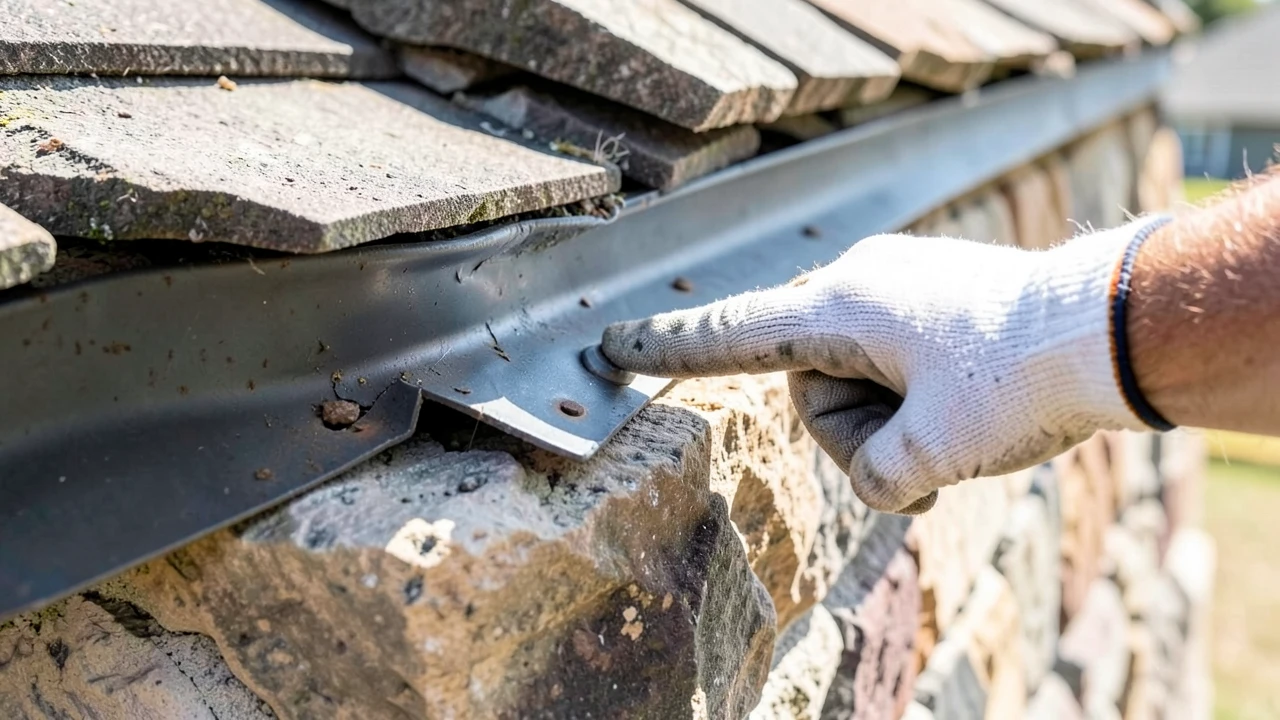
The transition from initial assessment to final restoration follows a precise three-step process:
- Comprehensive Assessment: A detailed on-site evaluation identifying all necessary repairs, replacements, or upgrades (and documenting why they are needed).
- Detailed Scope & Material Breakdown: We provide you with a granular breakdown of the materials and labor involved. You will know exactly what is being replaced and by whom.
- Clear Cost Estimate: You receive a transparent cost estimate with absolutely no hidden surprises or ambiguity regarding the scope of work.
Furthermore, navigating insurance claims can be complex and stressful. We proactively guide our clients through this process, ensuring you are fully informed and protected from potential misrepresentation by adjusters. When thinking about how often should I inspect my hail resistant roof?, remember that the goal is not just repair, but comprehensive risk mitigation. This final step requires an expert-a professional who can translate complex structural concerns into a clear, actionable, and financially sound plan tailored specifically for your unique residence in Old East Dallas.
For a detailed assessment of your property's needs or to discuss the best long-term options for your historic home, please contact us directly at +1 469-589-3827. We serve all neighborhoods from Cedars through Oak Lawn with meticulous care and expertise.