

Water Stain on Ceiling from Roof Leak Repair: A Homeowner’s Guide to Structural Integrity
Finding a visible discoloration, perhaps an amber patch or a sudden damp spot, painted across your ceiling can be one of the most unsettling experiences in any homeowner’s life. It immediately triggers a wave of anxiety-is my house compromised? Is this stain a harbinger of total structural failure? Before you panic and call multiple contractors with conflicting estimates, take a deep breath. While these stains are certainly alarming indicators, they are not always proof of catastrophic failure; rather, they are a signal that something needs professional attention. We understand the stress this causes, especially when managing an occupied home in a desirable neighborhood like Cedars or Oak Lawn, where preserving both comfort and property value is paramount. Our goal today is to demystify what these water marks truly mean and guide you through the precise steps required for effective roof leak detection service Dallas TX, ensuring that we address the root cause, not just the visible symptom.
When You Spot a Stain: Understanding What a Ceiling Water Mark Really Signifies
It is completely natural to feel overwhelmed when faced with signs of water intrusion in your home. We want to start by offering initial reassurance: a surface stain is merely an indicator-it is the symptom, not the structural issue itself. Thinking of it as a warning light, rather than a final diagnosis, helps put the situation into perspective.
We proudly serve our Junius Heights, TX service area and the surrounding area.
To properly assess the gravity of the situation, you need more information than just the damp patch on the ceiling. We encourage homeowners to conduct a preliminary symptom checklist while we await our full inspection:
We proudly serve the Oak Lawn area and the surrounding area.
- Musty Odors: Do you notice an unusual, earthy smell that lingers, especially when the leak has been active? This is often the first indicator of mold or mildew growth in hidden cavities.
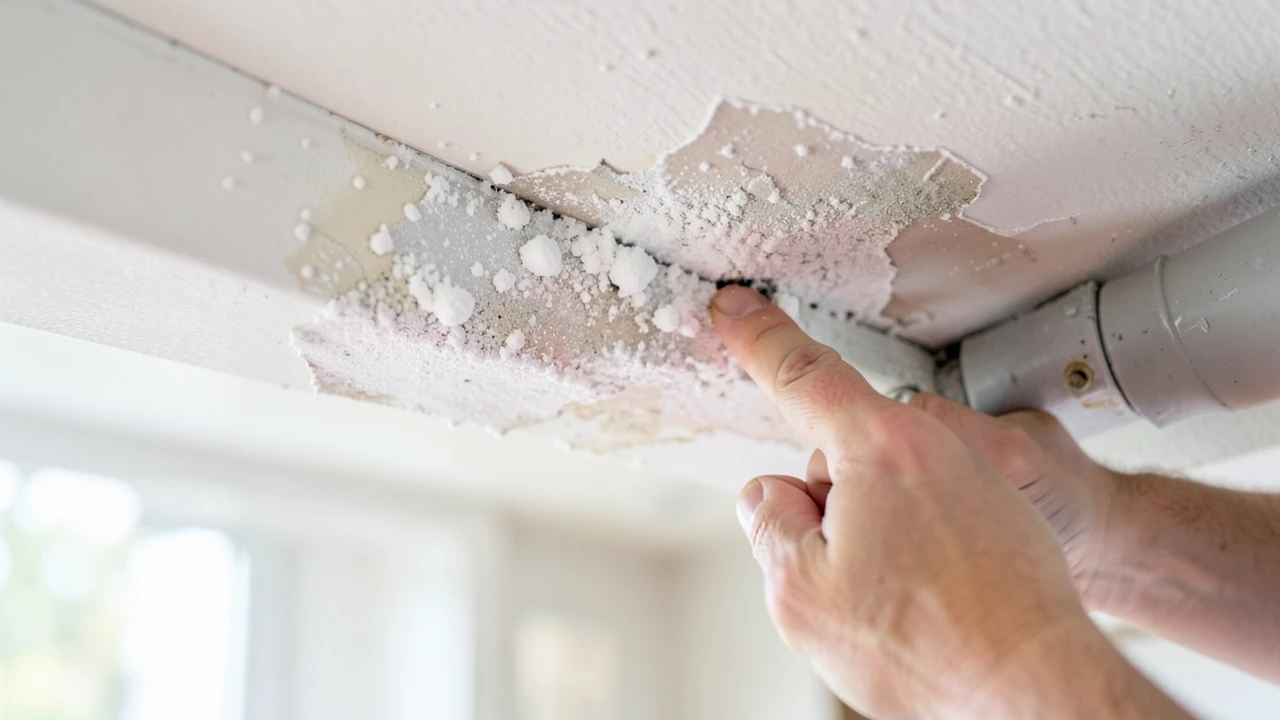
- Peeling Paint/Efflorescence: Look at areas near ceiling joints, corners, or around utility penetrations. Are paints bubbling, peeling, or are you seeing white, powdery mineral deposits (efflorescence) on drywall or masonry? These indicate that water has passed through and left behind dissolved salts.
- Visible Sagging: Is there any noticeable bowing or sagging in the drywall sections directly below where the stain is located? This suggests saturated materials potentially compromising structural support like joists or trusses.
The true problem, however, rarely resides in the ceiling itself. When we investigate a water stain on ceiling from roof leak repair, we are almost always hunting for failure points above-the subtle breaches that allowed water to enter in the first place. In older homes throughout Old East Dallas, this is particularly common because of the complex architecture and varying roof pitches; flashing materials, gutters, or poorly sealed pipe penetrations become vulnerable over time, allowing water to exploit the path of least resistance.
The Critical Difference Between a Surface Stain and Structural Damage
The greatest misconception homeowners face is equating the visible stain with the full extent of the damage below it. While the wet mark confirms that water has reached an interior surface-a clear breach somewhere above-it doesn't tell us where, or what else was affected by the prolonged moisture exposure. Understanding how water behaves in a structure is key to understanding the risk.
Water naturally moves through materials via two primary mechanisms: capillary action (drawing water upwards through porous materials like brick and wood) and gravity. This means that even if the leak source is small and high up, the water will follow the path of least resistance until it reaches a vulnerable interior spot-often resulting in that noticeable stain.
Beyond the visible wet patch, we must consider secondary damage risks:
- Mold and Mildew Growth: Continuous moisture creates an ideal ecosystem for mold, which not only damages drywall but can also pose serious respiratory health concerns to occupants.
- Wood Rot: The most concerning structural risk is rot in load-bearing elements-the joists or trusses. Prolonged exposure causes the wood to lose its integrity, compromising the building's ability to support itself over time.
- Compromised Insulation: Water saturation can degrade insulation effectiveness and potentially lead to localized energy efficiency issues that compound the problem.
William Hayes has spent years learning that most leaks are rarely due to a catastrophic failure of the main roofing membrane; they occur at transitions-the points where dissimilar materials meet, such as around chimneys, vent stacks, or valleys (where two roof sections join). These areas require specialized flashing, and it is almost invariably these flashing components that fail first.
We must caution against superficial "band-aid" fixes. If a repair team merely patches the stained ceiling without addressing the structural breach high on the roof-say, compromised flashing at a chimney chase-the patch will inevitably fail. The water pressure, coupled with age and weather cycles, guarantees that the leak source remains active, leading to repeat problems and wasted money.
The Comprehensive Process of Roof Leak Investigation and Repair
A responsible diagnosis requires more than just looking up at the ceiling; it demands getting on the roof and looking systematically at every seam, penetration, and transition point. This methodical approach is what defines a proper water stain on ceiling from roof leak repair.
Immediate Expert Assessment: Beyond the Visible Surface
The first step is always a detailed, non-invasive inspection. We utilize specialized tools-including advanced moisture meters, thermal imaging cameras (when necessary), and visual confirmation of drainage patterns-to map out where water has entered or is currently entering. This assessment process must go far beyond what the homeowner can see from inside their home; we need to inspect the entire roof plane, including areas that are typically hidden by fascia boards or architectural elements.
Diagnosing the Source: Finding the 'Why'
Diagnosing a leak requires deductive reasoning. We track the water’s journey backward. Did it come from under the flashing? Was it a failed sealant around a vent pipe? Or was it simply accumulated debris that compromised the underlying material? The most critical part of our service is pinpointing the exact entry point, which may be physically distant from the stained ceiling area-a fact often missed by less experienced contractors.
Repair Options vs. Replacement: A Data-Driven Decision
We do not recommend a full replacement simply because we can; we recommend it when the data dictates that the system integrity is compromised. Our process involves presenting clear criteria for both minor repairs and major overhauls.
- Minor Patch/Repair: Sufficient when the leak source is isolated, small (e.g., a single failed seal), and the underlying roof structure remains sound.
- Systemic Replacement: Necessary when repeated leaks have compromised multiple flashing points, or if the entire roofing system has exceeded its expected lifespan due to age, weather exposure, or previous damage.
We operate with unwavering transparency regarding cost. The initial assessment provides a comprehensive, line-item breakdown of materials and labor costs. You will never be left in the dark about what you are paying for, eliminating the fear of hidden charges or 'scope creep' surprises-a concern we know is top-of-mind for every established homeowner.
Beyond the Leak: Protecting Your Home’s Long-Term Investment Value
Addressing a leak is only half the job; the other half is safeguarding your home’s long-term value and protecting it from future issues. We frame this not as selling a roof, but as maintaining the structural integrity of an irreplaceable asset. For properties in Old East Dallas, where historical character meets modern luxury, the materials chosen for replacement are critical to both durability and aesthetic appeal.
When discussing old east dallas roof replacement cost, it is essential to understand that "cost" must be weighted against the value of preservation. We guide homeowners through premium material choices:
- Standing Seam Metal Roofing: Offers unparalleled longevity, exceptional curb appeal, and superb resilience against severe weather events-a perfect choice for modernizing while maintaining a high degree of sophistication.
- Architectural Asphalt/Slate: For homes with strong historic character (like those near Junius Heights), premium slate or highly detailed architectural asphalt options are available to ensure the new roof blends seamlessly into the established neighborhood aesthetic.
Furthermore, we understand that major construction is disruptive. Our crews are trained not just in roofing techniques, but in working respectfully within established neighborhoods like Swiss Avenue. We meticulously manage the project timeline and cleanup process to minimize disruption to your daily life-allowing you to move through your home with minimal inconvenience during what can be a stressful time.
Safeguarding Your Investment: Partnering for Lasting Home Integrity
Navigating the world of roofing contractors can feel like navigating a complex legal landscape, making it difficult to know who is genuinely in your best interest. Think of us as your expert neighbor-the trusted guide who simplifies this entire process for you.
Here is a simple checklist of questions we recommend asking any potential contractor:
- Are they fully licensed and insured within Dallas County?
- Do they provide detailed, written warranties covering materials, labor, and workmanship? (A true partner covers all three.)
- Can they provide local references from similar historic properties in the Old East Dallas area?
- How do they manage site cleanup and noise abatement during a full replacement project?
Remember that roofing is not simply shingles; it’s an intricate system involving proper drainage, ventilation geometry, structural support, and flashing detail. The true secret to roofing longevity, as I've learned over my career, is always found in inspecting the details, not just looking at the finished surface.
If you are dealing with any signs of water damage-whether it’s a visible water stain on ceiling from roof leak repair or simply an area of concern-do not delay calling for a comprehensive assessment. Our commitment to transparency means you receive nothing but detailed assessments and solutions designed purely to safeguard your home's investment, allowing you to make the most informed decision about its long-term health and beauty. We are here to partner with you every step of the way.