

The thought of evaluating your home’s roof can be overwhelming. As established residents in desirable neighborhoods like Cedars or Oak Lawn, you understand that a roof is far more than just shingles; it is the primary shield protecting the structural integrity and long-term value of your investment. When facing visible wear, unexpected leaks, or simply the passage of time, many homeowners ask: when should I consider replacement vs repair for roofing? The truth is that making this decision requires looking beyond what is immediately visible-it demands a detailed understanding of structure, materials, and the history of moisture exposure. At Rock Line Roofing, we believe in clear assessments, period. We don't want you to feel pressured; we want to partner with you to ensure your home remains protected for decades to come.
The Initial Assessment: Reading the Clues in Your Roof’s Condition
The first step toward making an informed decision is becoming a detective of your roof’s condition. Most homeowners can identify cosmetic damage-a little discoloration, maybe some missing granules on asphalt shingles-but structural decay requires a trained eye. This initial assessment helps us determine if we are dealing with simple wear and tear or advanced deterioration that compromises the underlying structure.
Understanding Visible vs. Structural Damage
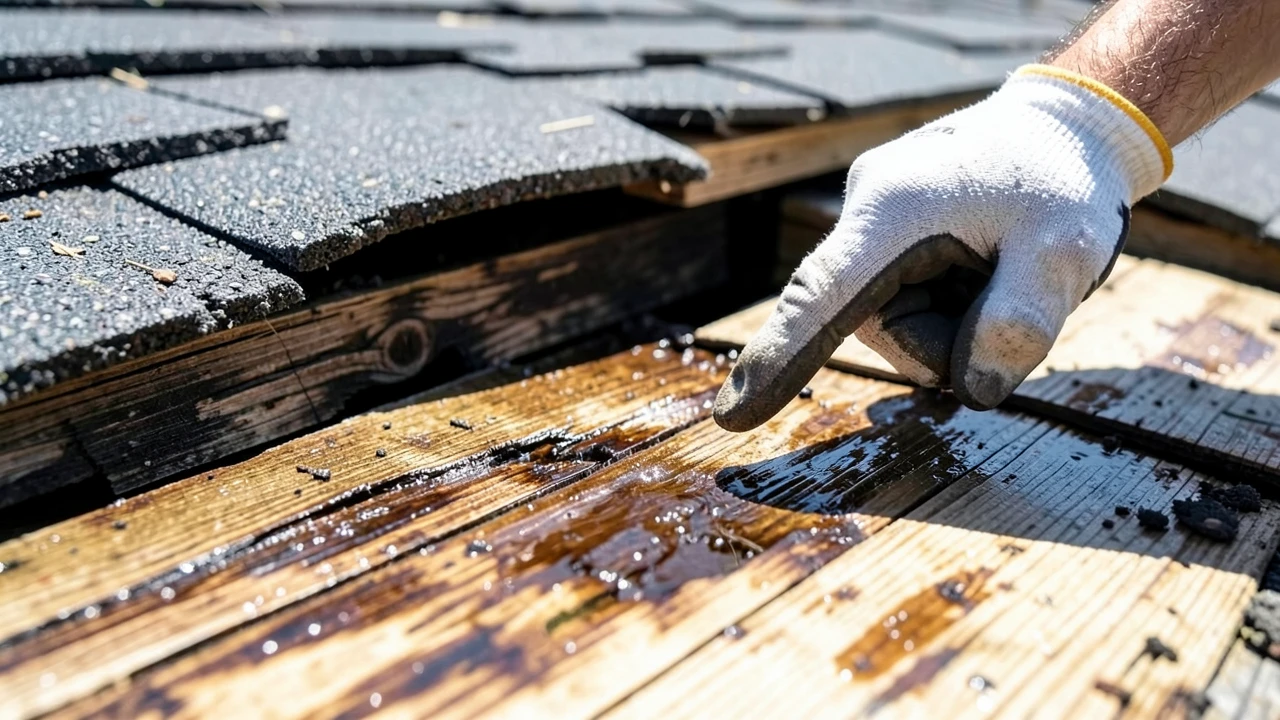
It is crucial to understand the difference between superficial cosmetic damage and true structural failure. Cosmetic issues, such as minor granule loss on asphalt shingles, suggest aging but may not immediately threaten your home. However, when you start seeing signs of structural decay, such as noticeable sagging in sections of the roofline, visible warping in the underlying decking (the wood beneath the roofing material), or recurring flashing failures around chimneys and vents, the risk profile changes dramatically. These are signals that moisture has penetrated deep into the system.
Identifying Advanced Deterioration Warning Signs
Certain warning signs should immediately prompt a deeper investigation into whether replacement is necessary. We look for patterns, not isolated incidents:
- Multiple Non-Consecutive Leaks: If you find leaks appearing in widely separated areas over time, it indicates systemic failure rather than a single faulty component.
- Widespread Granule Loss: While some loss is normal aging, if the asphalt shingles are losing granules across large sections, it suggests the material is nearing the end of its lifespan and protecting potential underlayment failure.
- Visible Decking Issues: Any signs of rot or severe water staining on the wood decking underneath flashing points suggest prolonged moisture damage that cannot be simply sealed over.
Age vs. Condition: The Old East Dallas Perspective
In historic areas like Old East Dallas, where homes often feature unique architectural elements and materials, age is a significant factor. A roof might look visually sound-the shingles are still mostly intact-but if the underlying decking or flashing details are decades old, they may be suffering from material fatigue. This means that even if no visible leak has occurred yet, the components are stressed and nearing failure. We must assess both the age of the materials and their current physical condition to give you a truly accurate picture.
Repair vs. Replacement: A Detailed Cost-Benefit Analysis for Your Investment
This is where most homeowners become confused and worry about "scope creep." They hear "repair" and assume it means saving money, but they need to understand what professional remediation actually entails versus when the cost of repair becomes prohibitively high or structurally futile.
Defining Professional Repair
When we speak of 'repair,' we are not talking about simply patching a hole with tar. In a professional context, roof repair is structural remediation. It involves specialized techniques such as:
- Targeted Component Replacement: Replacing only the compromised parts-like a small section of flashing or a few badly warped shingles.
- Underlayment Sealing: Repairing or replacing specific sections of the underlayment material that have failed due to water intrusion, which is critical for preventing leaks under the visible shingle line.
- Localized Flashing Remediation: Re-setting or upgrading flashing around vulnerable points like vents and pipe penetrations.
When Is Repair Truly Sufficient?
Repair is an excellent option when the damage is minor, highly localized, and has not allowed water to compromise adjacent materials or structural supports. For example, if a single section of flashing fails due to natural wear and tear, and the decking beneath it is solid, a targeted repair can restore integrity efficiently.
The Critical Point of Diminishing Returns
The biggest danger in roof maintenance is what we call successive failure. If your roof has multiple points of degradation-say, bad flashing plus degraded underlayment plus minor warping on the decking-performing successive repairs only delays the inevitable and creates weak spots. Each patch or repair adds a layer that must be perfectly executed; if even one component is compromised, the entire system remains vulnerable. At some point, the cost of addressing all the failing components exceeds the value provided by simply extending life-this is the critical point where replacement becomes the most financially responsible choice.
Beyond the Surface: Assessing the Underlying Structure and System Integrity
As William Hayes often emphasizes, the true secret to roofing longevity is always found in inspecting the details, not just looking at the finished surface. A highly competent assessment must look under the visible materials. This deep dive into the structure determines the lifespan of your home's roof system far better than simply analyzing the shingles.
The Importance of Subsurface Inspection
We focus heavily on components like flashing integration and the underlying decking material. Flashing, especially around chimneys or utility vents, is arguably the most common point of failure because it involves multiple materials meeting at a seam. A deep inspection ensures that these critical junctions are sound before we recommend any course of action.
Moisture Damage: The Hidden Threat
Mold growth or prolonged water infiltration doesn't just affect shingles; it attacks the structural wood and decking beneath, which is far more costly to remediate than the roofing material itself. When moisture has penetrated deeply enough to compromise the integrity of the wooden substructure, the required remediation scope expands exponentially, often making replacement mandatory for true safety.
Understanding Warranty Limitations
When you invest in a repair, it is vital to know what that investment protects you against. We clarify warranty limitations-are we covering materials only? Is labor included? Does the warranty cover workmanship and failure related to underlying structural issues? Being fully informed about the scope of the warranty prevents unexpected out-of-pocket costs if an issue recurs shortly after a repair is completed.
The Path Forward: When Replacement is the Only Way to Protect Your Home’s Value
There are times when the collective weakness of multiple components signals that the entire system has failed and requires comprehensive replacement for long-term structural integrity. This is the definitive answer to when should I consider replacement vs repair for roofing?
Defining ‘System Failure’
A roof system failure occurs not because one shingle blew off, but when the weakest link-be it degraded underlayment, multiple compromised flashing points, or general material exhaustion-threatens the whole structure. If these foundational elements are failing, a full replacement is required to rebuild the protective envelope of your home.
The Value of Preemptive Replacement
Many homeowners wait until a catastrophic event (like a major hailstorm) forces their hand. However, preemptive replacement, done when the roof is merely nearing failure but not yet critically compromised, minimizes high-stress emergency claims and protects the investment value in sought-after neighborhoods like Cedars or Oak Lawn. It’s about safeguarding your peace of mind and maintaining curb appeal before a major storm hits.
Selecting the Right Material for Your Architecture
In Old East Dallas, we recognize that aesthetics are paramount. Choosing the right material isn't just about durability; it must complement your home's unique architectural style. We provide expert guidance on selecting premium options-be it historic slate, modern standing seam metal, or high-performance asphalt shingles-ensuring you find Quality materials for lasting protection that honor your property’s character.
Safeguarding Your Investment: Next Steps for a Clear Roofing Assessment
Ultimately, protecting your home requires clear communication and professional expertise that can navigate the complexities of structural failure versus normal aging. We understand that making this decision is highly personal and crucial to your budget. When considering options for protection, remember that choosing a provider with reliable service for your property’s roof is key to navigating these complex decisions.
We start with a comprehensive, non-invasive inspection designed not just to point out leaks, but to detail both immediate risks and long-term preventative maintenance needs. Our goal is never unnecessary upselling; it is simply safeguarding your investment. Drawing on our deep knowledge of Old East Dallas neighborhoods-understanding the historical construction methods unique to Swiss Avenue homes, for example-we provide recommendations based on proven structural best practices.
If you are concerned about when should I consider replacement vs repair for roofing? or if you've recently experienced a weather event that prompted these questions, please do not wait until an issue becomes catastrophic. The most prudent step is to schedule a detailed consultation with the local experts at Rock Line Roofing. We will provide a transparent, comprehensive assessment, giving you the confidence and clear plan needed to protect your home’s value for years to come. Call us today to begin safeguarding your investment.