
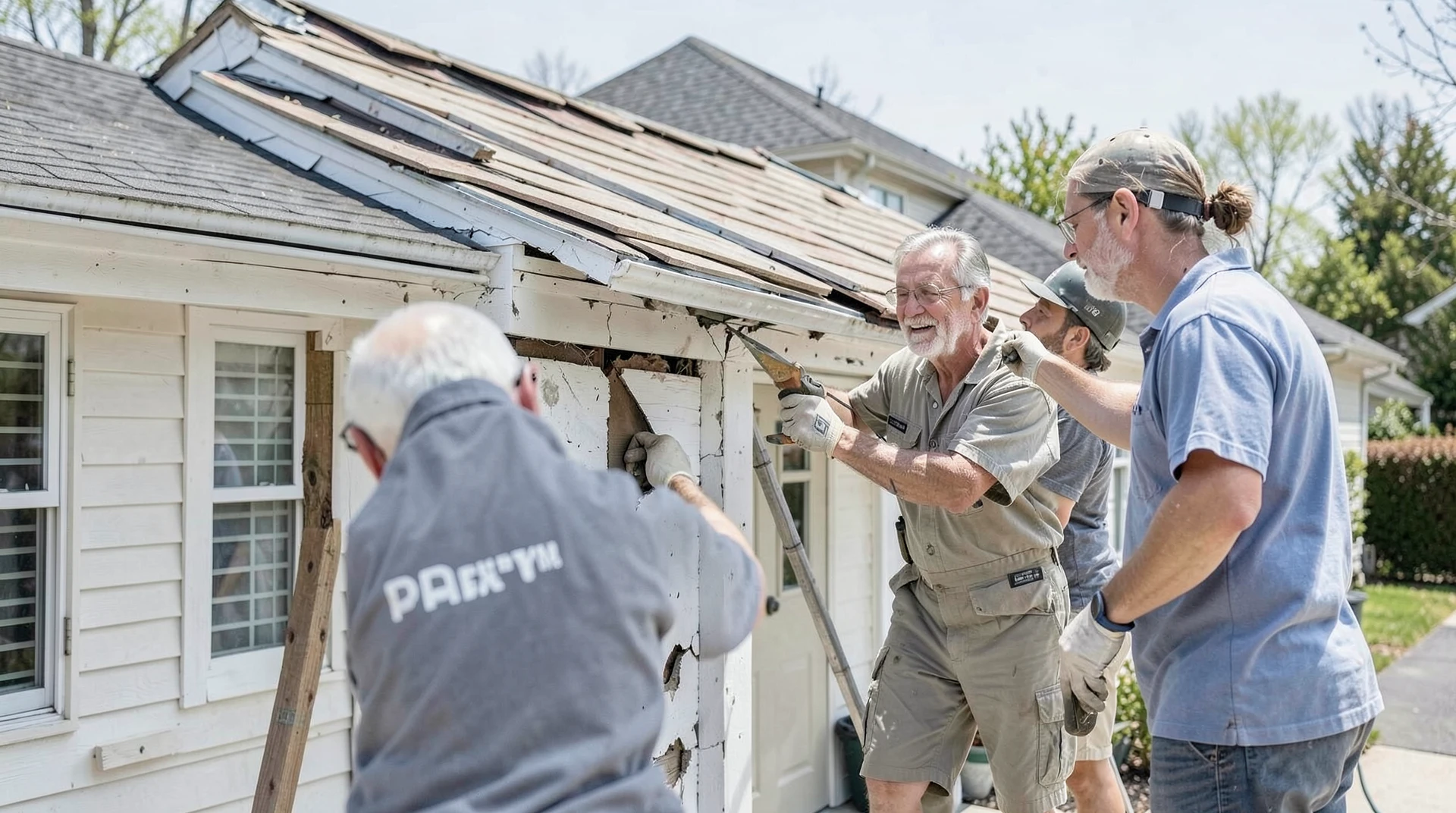
It is perhaps one of the most stressful conversations a homeowner can face: opening a large estimate for roof repairs. You thought you were dealing with a small leak-a simple patch on a flashing joint or a handful of missing shingles. Then, the contractor walks away with numbers that feel disproportionately high, leaving you wondering, "Why is my damaged roof repair suddenly expensive?"
If this question has filled your mind after receiving an estimate, please know you are not alone. The cost escalation often feels like a betrayal of trust. However, as I’ve spent decades inspecting roofs-from small local businesses to historic homes throughout the desirable neighborhoods of Old East Dallas-I've learned that these higher costs rarely stem from simple overcharging. Instead, they usually point to underlying structural issues that have been silently compromising your home's integrity for months or even years. The true secret to roofing longevity is always found in inspecting the details, not just looking at the finished surface.
Understanding the Cost Curve: Why Simple Repairs Often Reveal Deeper Issues
The initial shock when viewing a major repair quote is completely valid. Dealing with unexpected expenses on an occupied home creates immediate stress and anxiety about your financial stability and property safety. It feels overwhelming to face that large number, especially when all you expected was a quick fix.
But the cost curve of roofing repairs rarely follows a simple straight line. When we are addressing a visible problem-say, water running down a specific section of flashing near your garage in Cedars-that leak is merely the symptom, not the disease. The most significant expense escalations are usually related to structural decay that only becomes visible once the initial point of failure is exposed.
This brings us to The Principle of Containment. A small crack or drip at one corner might seem minor, but water intrusion is systemic. Water doesn't respect boundaries; it follows gravity and structural weakness. If we only repair the tiny spot where the leak was visible without inspecting the supporting materials underneath, we are essentially treating a symptom while ignoring the root cause.
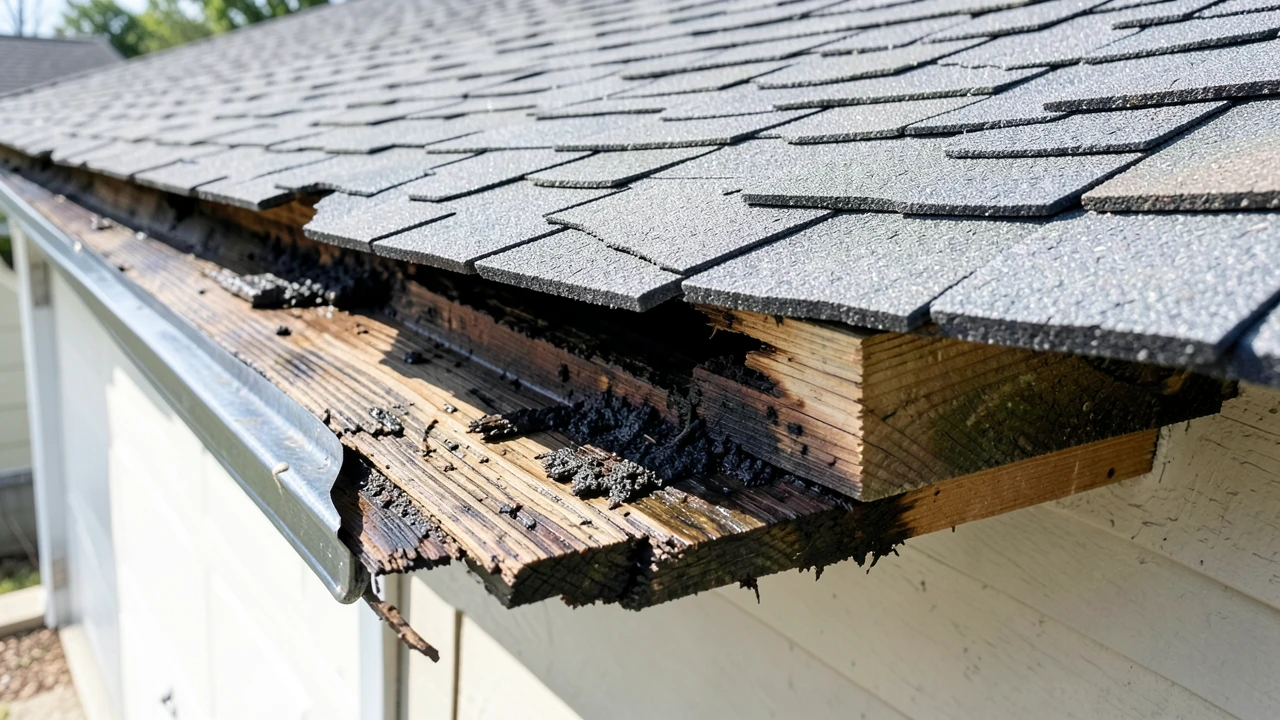
For example, if that initial leak has been present for months, the wood decking beneath the flashing may have begun to rot (compromised decking). Simply patching the roof surface over rotten wood is an architectural and structural failure waiting to happen. To ensure your home remains protected long-term, we must address that underlying decay, which inevitably adds scope and cost.
We want you to understand the difference between necessary foundational work and unnecessary ‘scope creep.’ A reputable contractor will educate you on this distinction. Necessary additions might include replacing compromised underlayment across a wider area or reinforcing fascia boards, not because they are optional, but because they are critical components that maintain the roof’s structural integrity and prevent future water intrusion.
The Hidden Costs of Craftsmanship: What Drives Premium Pricing?
When you see a premium price tag for roofing services in Old East Dallas, it is easy to assume that "premium" simply means "expensive." In reality, when discussing craftsmanship, cost reflects several specialized factors-all aimed at protecting your investment and maintaining the unique aesthetic value of your property.
Material Complexity: Investment Protection Through Quality
Old East Dallas features some of America's most architecturally sensitive and historically valuable homes. This means we often deal with materials that are inherently more complex or costly than standard asphalt shingles. Whether it’s installing delicate slate tiling, intricate copper flashing necessary for historic transitions, or specialized standing seam metal roofing designed to complement a specific period style, these materials require expert handling. You aren't just buying roofing material; you are investing in the preservation of your home’s curb appeal and structural value.
Specialized Labor: The Value of Time-Intensive Detailing
Quality craftsmanship is not something that can be rushed or simply patched together by an inexperienced crew. A true, lasting repair requires meticulous detailing-sealing valleys perfectly to prevent sheet runoff from infiltrating the underlying structure, ensuring correct pitch gradients across all surfaces, and managing complex transitions between different roofing materials. This level of precision takes time, highly specialized skills, and dedicated labor that cannot be compromised without shortening the roof's expected lifespan.
The Importance of Substrate Inspection
A true expert does not simply patch a hole and leave. We inspect the entire substrate-the deck underneath. This process involves checking for mold growth due to trapped moisture, identifying signs of rot in the structural supports, or determining if the existing ventilation system is inadequate. These inspections are critical steps that add necessary detail to the quote but provide an invaluable layer of protection for your home's core structure.
Finally, we must account for ancillary costs. This includes managing claims with insurance carriers, which involves specialized tear-out fees and professional debris removal. Furthermore, if a leak has been active, it may have caused damage inside-water damage to drywall or wood framing-and these necessary interior remediation costs are often unexpected add-ons that must be budgeted for the overall project success.
Decoding the Estimate: Three Questions to Ask Before Signing Off
Receiving an estimate can feel like navigating complex financial paperwork written in technical jargon. To empower you and help demystify why is my damaged roof repair suddenly expensive?, I highly recommend adopting a skeptical, yet informed, approach. Never sign off on an estimate without asking these three detailed questions:
- Demand Granularity (The Line Item Test): Do not accept any lump sum figures. You must ask for a hyper-detailed, itemized breakdown that clearly separates costs into categories: Material Costs (with specific brand/grade noted), Labor Hours Per Trade (e.g., flashing labor hours vs. shingle installation labor hours), and Disposal Fees. This transparency prevents hidden surcharges later on.
- Warranty Clarity: Before agreeing, require absolute clarity on the scope of the warranty. Does the quote cover only the manufacturer's material guarantee, or does it also include a comprehensive workmanship warranty? A reputable local contractor will happily detail both their own labor guarantee and the specific manufacturer warranties for every component used.
- The Contingency Plan: This is arguably the most important question. Ask: "What happens if you find unexpected structural issues (like compromised decking) once your crew starts working?" A trusted, professional partner should provide a clear, written plan detailing how extra costs or unforeseen needs will be communicated to you, with an opportunity for approval, before any additional work begins.
Systemic Protection: When Is Repair Insufficient and Replacement is Necessary?
The most difficult conversation in roofing is determining if repair is enough, or if replacement is the only responsible choice. It requires shifting your focus from the immediate cost of a patch to the long-term value retention of your entire structure.
Lifecycle Assessment: The Power of Age
Roofing materials have an expected lifespan-typically ranging between 15 and 25 years, depending heavily on the material (metal lasts longer than asphalt, for instance). When a roof has reached or exceeded its anticipated end-of-life cycle, no amount of patching can guarantee structural integrity. The underlying decking itself may be exhausted and unable to support new materials properly.
The Warning Signs Checklist
Instead of waiting until there is obvious water damage, keep an eye out for these visible signs that indicate replacement is mandatory:
- Multiple areas of flashing failure or lifting over several spots.
- Widespread asphalt cracking or granule loss across large expanses.
- Visible sagging or bowing in the roofline structure (this points to deep structural fatigue).
Protecting Investment vs. Patchwork Solutions
We must reframe this discussion entirely: we are not talking about cost; we are discussing risk mitigation. Repeated patchwork is a temporary solution that only compounds risk. It creates weak points and leaves underlying decay unchecked, leading to future, more expensive failures down the line. A full replacement, while large upfront, provides superior long-term value and structural assurance by resetting the entire roofing system back to peak performance.
Local Expertise Matters
When managing a home in Old East Dallas-whether it's historic masonry requiring specific drainage techniques or modern custom builds near Junius Heights-local expertise is non-negotiable. We understand the unique interplay of local climate, architectural codes, and historical requirements that general contractors simply don't grasp.
Safeguarding Your Investment: Partnering With Local Roofing Experts
Ultimately, navigating roofing repairs can feel like a high-stakes guessing game. But you deserve clarity, trust, and an expert partner who treats your home as if it were their own. The truth is, longevity in roofing maintenance isn't found in quick fixes; it’s found in inspecting the details. This philosophy guides everything we do at Rock Line Roofing.
We believe our role goes beyond simply being a service vendor; we are acting as long-term asset managers for your property. Our goal is to safeguard both your structural integrity and your home's curb appeal for decades to come, ensuring that you never have to wonder why is my damaged roof repair suddenly expensive? because the cost will always be matched by the transparent necessity of the work required.
When we provide an estimate, it will be a deep dive into transparency. When we provide an estimate, it will be a deep dive into transparency, detailing exactly why every single component is necessary to achieve maximum protection and lasting value with our complete roofing solutions.
If you are facing unexpected leaks, visible damage signs, or simply wondering if your roof is nearing the end of its life cycle, don't panic over a quote; call us first. We encourage you to start with an initial, no-pressure consultation or comprehensive inspection. Let us gather all the facts so that when we speak to you, you can make a truly informed decision about protecting your home's future. Contact Rock Line Roofing today at +1 469-589-3827 for a detailed assessment of your property in Old East Dallas.